When Is the Best Time to Visit Paphos for Swimming and Tours?
6 min read
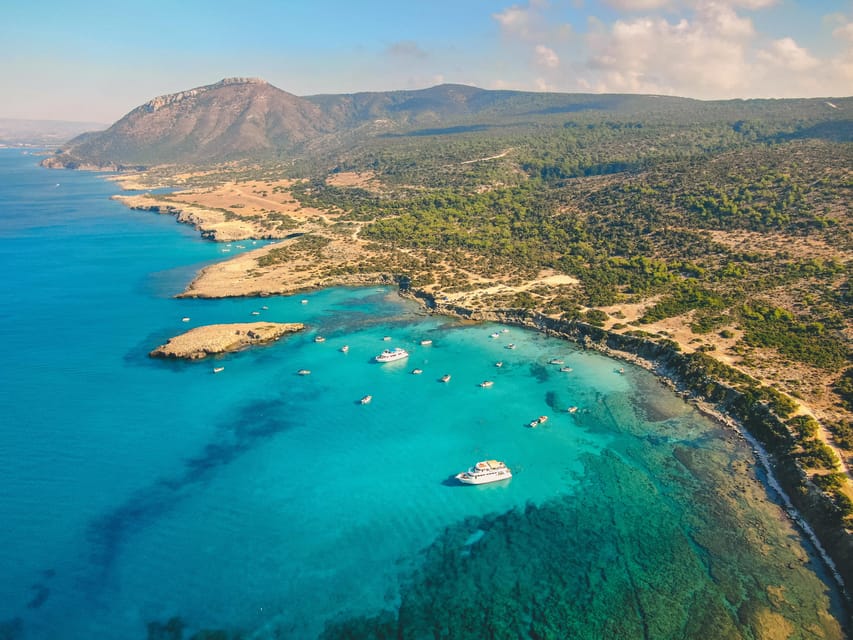
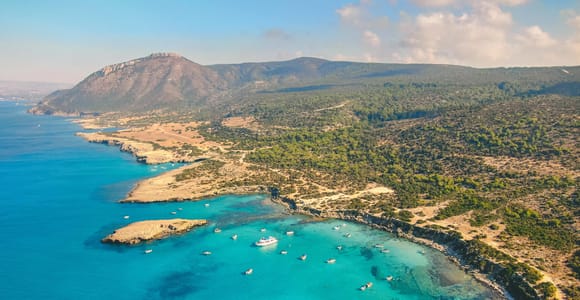
For most people, the best balance is late May to June or September to mid-October. You get long days for Akamas, beach weather and a warmer sea without deliberately choosing the peak heat of July and August. Dedicated swimmers should favour September and October because seawater releases summer warmth slowly. Walkers and archaeological-site visitors will usually prefer April, May or the later part of October. If the Blue Lagoon is the priority, the eight-hour Akamas and Blue Lagoon trip is the practical all-in-one booking.
May and June: long days before the hottest stretch
Cyprus has a long dry summer from mid-May to mid-October. May is attractive for travellers who want to combine coast and ruins, while June brings reliably summer-like conditions and very long daylight. The official tourism authority puts open-sea temperature above 22°C from June through November. That does not guarantee a glassy Blue Lagoon or warm water for every swimmer, but it makes June a strong compromise between bathing and active days.
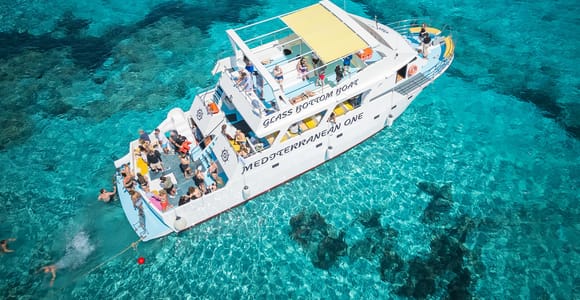
A full Akamas excursion is easier when you are comfortable spending eight hours between road, boat and outdoor stops. The popular Blue Lagoon trip combines Akamas, the Baths of Aphrodite and swimming; it costs €41 per person and has a 4.7 rating from 3,000 reviews.
Check dates for the Akamas and Blue Lagoon trip
July and August: choose the sea, not a packed land itinerary
July and August suit a resort holiday built around water, early starts and a slower middle of the day. They are less convincing for chaining exposed ruins, villages and long road transfers together. Cyprus tourism guidance describes summer as hot with cloudless skies, moderated somewhat by sea breezes on the coast. Open-sea temperature reaches about 27°C in August.
If school holidays fix your dates, book the outing you care about most first and fit land visits around it. In this heat a boat day can feel more logical than a dense inland itinerary.
September and October: the strongest all-round choice
September retains warm water and summer character while daylight gradually shortens. October remains inside Cyprus’s typical dry-summer pattern until around mid-month, and the sea generally stays above 22°C through November. This is why early autumn is my first choice for travellers who want both swimming and sightseeing rather than one at the expense of the other.
Weather is never a guarantee. Boat departures can still change with conditions, and a warm monthly sea figure says nothing about wind on a particular morning. Keep the most weather-sensitive outing flexible within your stay.
Winter and early spring: good for land, selective for boats
December to February brings mild winter weather but also the island’s wetter season; Troodos can receive snow. The official figures put average sea temperature around 16–17°C from January to March. That can suit hardy swimmers, not a general promise of beach weather. Winter visitors gain quieter walking conditions and should build the trip around archaeology, food and villages, checking individual boat calendars rather than assuming summer frequency.
My answer is September to mid-October for the widest mix. Choose May or June when long daylight and active sightseeing matter more than the warmest water, and reserve July or August for a holiday intentionally organised around heat. For the signature coast day, book the Akamas and Blue Lagoon trip once the forecast window and cancellation terms suit your stay.
Sources: Visit Cyprus climate and sea-temperature guidance and official Cyprus daylight information.